


What is Regenerative Medicine for Skin?

- The risk of complications or side effects is extremely low
- Safety and Track Record of Skin Regenerative Medicine
- 根拠
Evidence-based medicine
Dermal fibroblast therapy is a treatment in which reduced fibroblast cells are transplanted and expanded, helping to repair aged skin, restore a more youthful appearance, and slow the skin’s aging process.
It is an advanced aesthetic treatment in which a patient’s own skin cells are collected, multiplied and cultured in a specialized facility, and then reintroduced into the skin.
By replenishing fibroblast cells, which naturally decrease with age, this therapy helps rejuvenate the skin from within, improving wrinkles, sagging, and overall skin quality. It may also help slow the progression of skin aging.
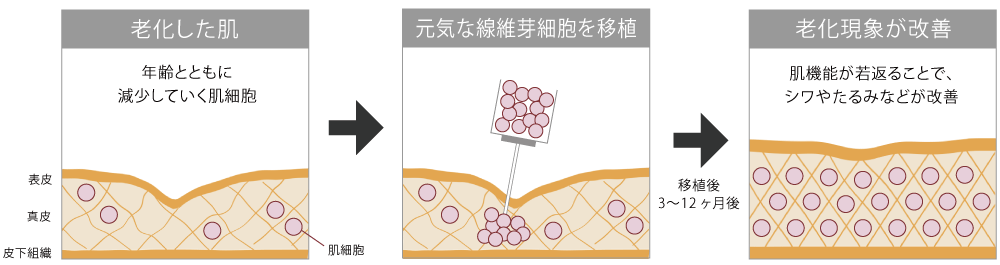
At Yoshiki Ginza Clinic, with a focus on rejuvenation through regenerative medicine, we have obtained a Category II Regenerative Medicine Provision Plan Number (PB3230242) in order to provide safe and naturally beautiful anti-aging treatments to our patients.
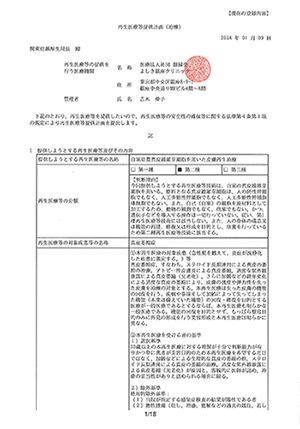
This regenerative medicine treatment increases fibroblast cells to help fundamentally improve age-related skin concerns and support the restoration of your skin’s natural beauty from within at the cellular level.
Effects of Dermal Fibroblast Therapy
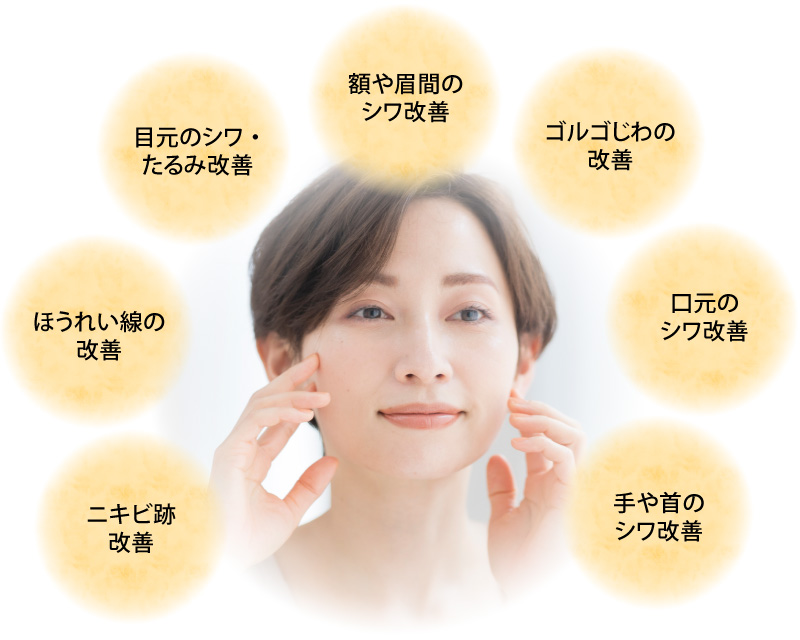
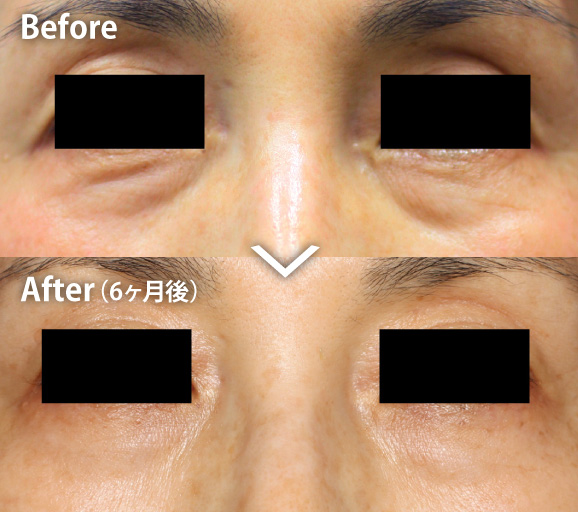
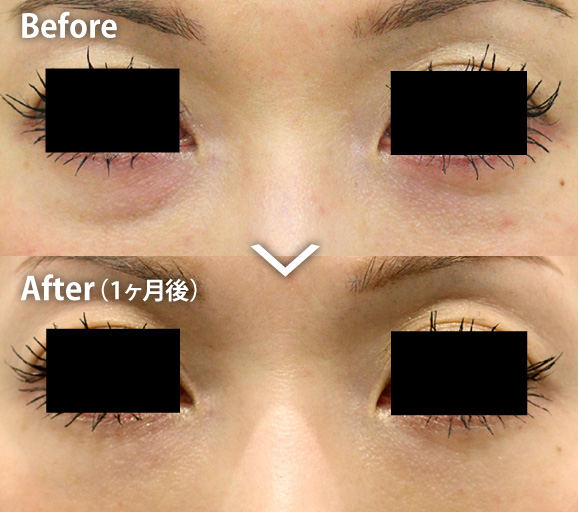
- Improvement of wrinkles and sagging around the eyes
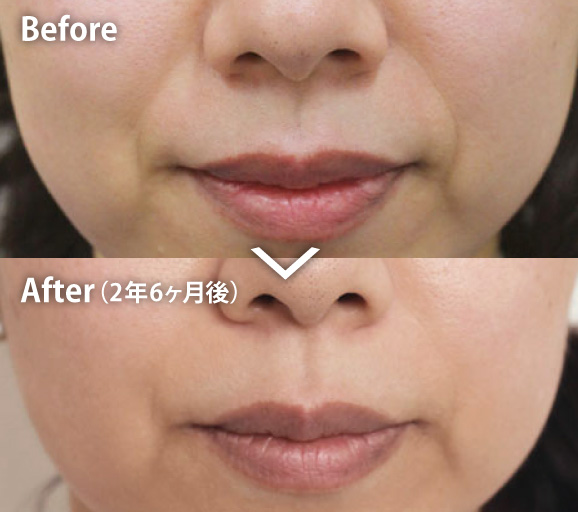
- Reduction of nasolabial folds
- Improvement of acne scars
- Reduction of forehead and glabellar (between-the-eyebrows) wrinkles
- Improvement of marionette lines (Gorugo lines)
- Reduction of fine lines around the eyes
- Improvement of wrinkles on the hands and neck
Recommended for
- Those seeking overall skin rejuvenation
- Those who want to slow down skin aging
- Those who are hesitant about treatments involving foreign substances
- Those who prefer natural-looking rejuvenation
- Those who want to maintain youthful, healthy skin 5 to 10 years from now
- Those who want to maintain a youthful appearance but are hesitant about surgical procedures such as facelift or under-eye surgery
- Those who cannot take much downtime
- Those sensitive to pain or who prefer low-pain treatments
- Those who are uncomfortable with injectable fillers such as hyaluronic acid
- Those who cannot frequently undergo energy-based treatments such as HIFU or laser, and prefer treatments about once a year
Features of Dermal Fibroblast Therapy
“Dermal Fibroblast Therapy”
A treatment that increases fibroblast cells is only available through skin regenerative medicine.
Fibroblasts are located in the dermis and produce the three major components that make up the dermis: collagen fibers, elastin fibers, and hyaluronic acid.
The three major components of the dermis
- Collagen fibers
- Firmness
- Elasticity
- Hyaluronic acid
- Moisture retention
- Elastin fibers
- Elasticity
- Moisturizing properties
When fibroblast cells decrease, the skin’s regenerative ability declines, leading to the appearance of wrinkles and sagging.
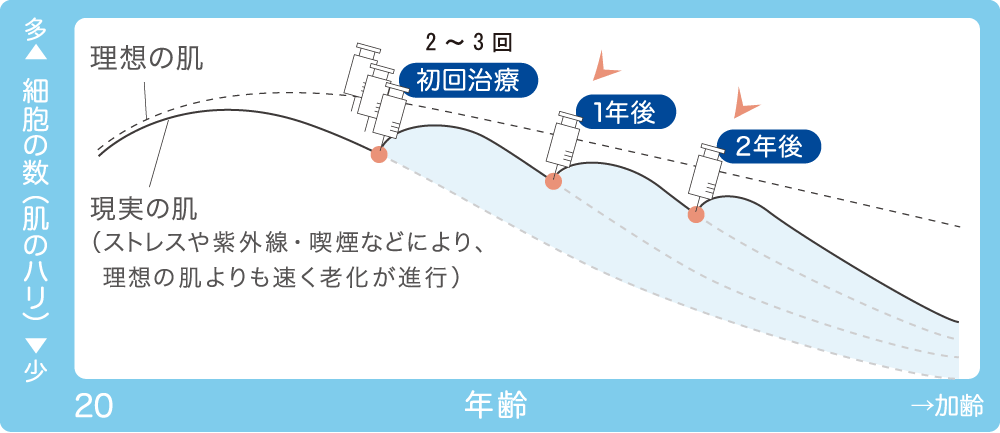
Fibroblasts begin to decrease rapidly after the age of 20, and by the age of 50, their number is reduced to about half of that in a 20-year-old.
As a result, collagen production is also reduced by half, and the loss of moisture and elasticity leads to the formation of wrinkles and sagging.
Skin regenerative medicine for improving signs of aging and slowing the aging process
Dermal fibroblast therapy is a skin rejuvenation treatment in which fibroblast cells are collected from your own body, cultured and expanded, and then reintroduced in an active form.
This process helps repair and improve skin tissue, leading to rejuvenation of the skin’s function itself and an improvement in signs of skin aging.
Unlike injectable treatments such as hyaluronic acid or treatments that merely activate existing fibroblasts, only regenerative medicine can actually increase the number of fibroblast cells themselves.
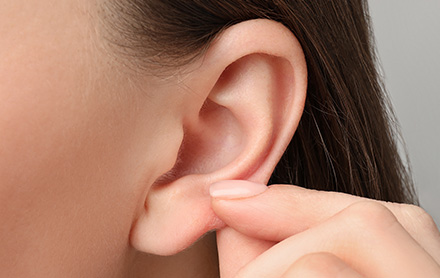
Skin behind the ear ages more slowly compared to facial skin (i.e., it remains “younger”).
A small piece of skin is collected from behind the ear. The concern about visible scarring is minimal.
The skin sample used for cell cultivation is taken from behind the ear, about the size of a grain of rice.
This area is less affected by external stressors such as UV exposure and friction, and is considered to have a “younger” biological age compared to facial skin.
After the procedure, the incision site is discreetly hidden along the natural crease at the base of the ear, making the scar barely noticeable. It typically heals with only simple taping.
High Safety and Natural Rejuvenation
Skin regenerative medicine uses only your own fibroblast cells without any pharmaceuticals or artificial substances.
Because of this, there is no concern for allergies, and it is considered a highly safe treatment that improves the skin in a natural way.
While other treatments may have shorter durations of effect or require regular repeat procedures, dermal fibroblast therapy is expected to provide results lasting at least 2 to 3 years.
However, compared to faster-acting aesthetic treatments, regenerative medicine requires time for cell culture and for fibroblasts to engraft and go through repair and regeneration processes after transplantation. Therefore, it may take some time before visible results are noticed.
As this treatment improves the natural function of fibroblasts themselves, the onset and degree of effect may vary from person to person.
By preserving cells, it is possible to retrieve and transplant young cells at any time.
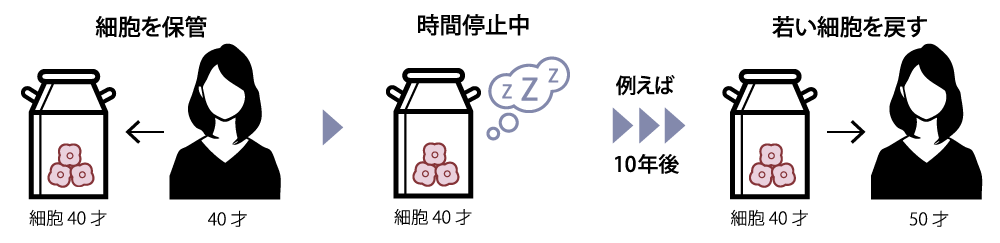
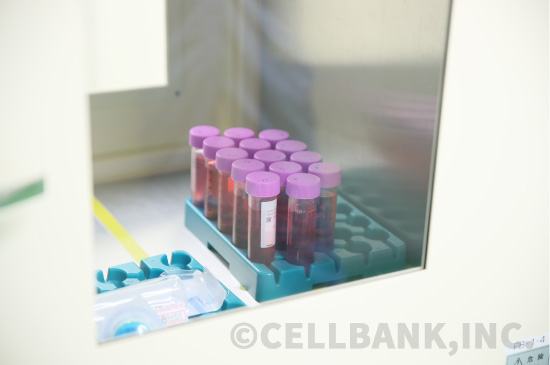
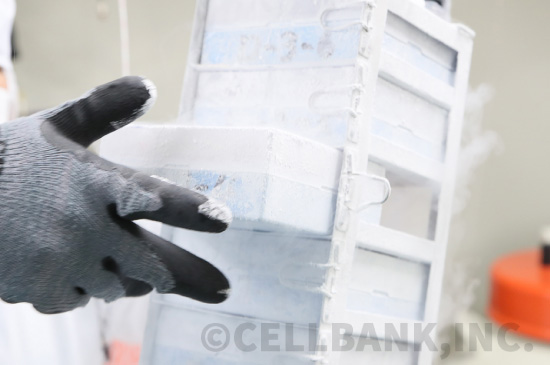
The collected skin is processed at “Cell Bank,” a cell culture center certified by the Ministry of Health, Labour and Welfare. There, specialized technicians isolate and expand fibroblast cells, which are then cryopreserved in liquid nitrogen tanks at −196°C.
Even after 5 or 10 years, these cells can be used whenever needed.
What is Cell Bank (Cell Storage Service)?
“Cell Bank” is a cell storage facility.
It is a Ministry of Health, Labour and Welfare–certified CPC (Cell Processing Center [Facility No. FA3150017]).
Fibroblast cells are cryopreserved in liquid nitrogen tanks at −196°C, allowing for long-term storage.
※Please note that a separate storage fee is required for cell preservation.
By storing cells in “Cell Bank,” it is possible to replenish young and healthy fibroblast cells whenever needed, helping to maintain ideal skin condition and slow the progression of aging.
For skin maintenance once every 1–2 years:
The cells that have been injected also age over time. By replenishing them with young, healthy fibroblasts once every 1–2 years, the skin tissue can be regularly improved, helping you maintain an ideal skin condition.
Key Effectiveness & Safety Points of Dermal Fibroblast Therapy
at Yoshiki Ginza Clinic
- POINT 1Cultured using autologous serum (no animal-derived serum)
- POINT 2Delicate injections performed by a dermatologist (The dermis is only 1–2 mm thick, and precise placement within this layer is essential for effectiveness.) With advanced techniques based on 25 years of experience, highly effective results can be achieved.
- POINT 3Selectable injection methods
(Both low-pain, minimal-downtime hydrating microinjections and more effective manual injections are available. An experienced physician will assess which areas are best suited for manual injection and provide guidance.)
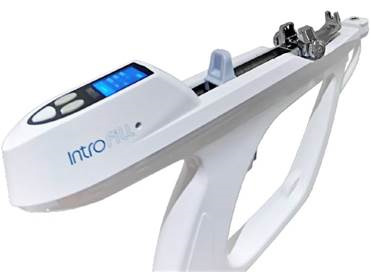
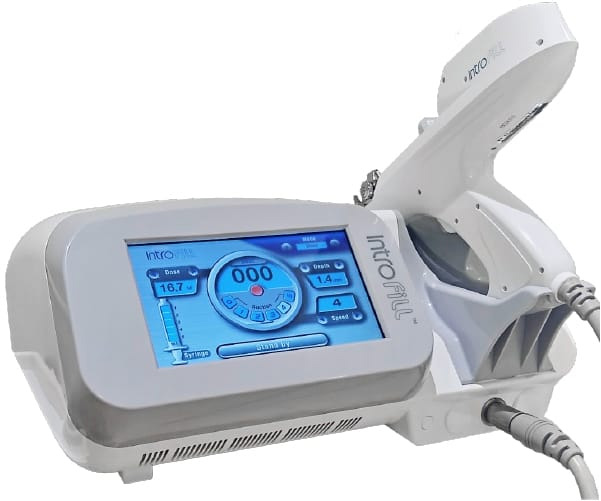
↑Hydrating microinjections with minimal pain and downtime - POINT 4As a cosmetic dermatology clinic equipped with a wide range of advanced devices, treatment efficacy can be further enhanced through combination therapies.
(By incorporating laser or radiofrequency treatments before and after fibroblast therapy, cellular activity can be further stimulated. We provide optimal treatment planning tailored from a wide variety of available procedures.)
Price List
Basic Fees (Additional 10% fee applies for treatment by the clinic director)
| Consultation | ¥10,000 (¥11,000incl. tax) |
|---|---|
| Blood Test: | ¥10,000 (¥11,000incl. tax) |
| Skin Sampling + Initial Cell Culture Bank 60 (600 million cells = up to 15 full-face treatments) |
¥450,000 (¥495,000incl. tax) |
Transplantation Fee (per additional 10 million cells [1 cc]) Recommended: twice within the first six months in the initial year, then once or twice per year thereafter.
| Injections performed by a physician (combination of hydrating microinjections and manual injections) | ¥130,000 (¥143,000incl. tax) |
| Injections performed by the clinic director (combination of hydrating microinjections and manual injections) | ¥160,000 (¥176,000incl. tax) |
Additional fee applies
| Cell storage fee | approximately ¥180,000 per year If paid in advance for 5 years, the annual cost is approximately ¥100,000 per year |
Before & After Cases
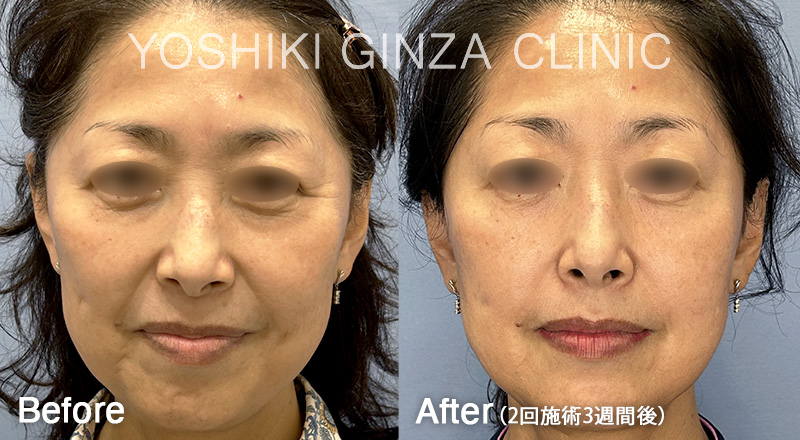
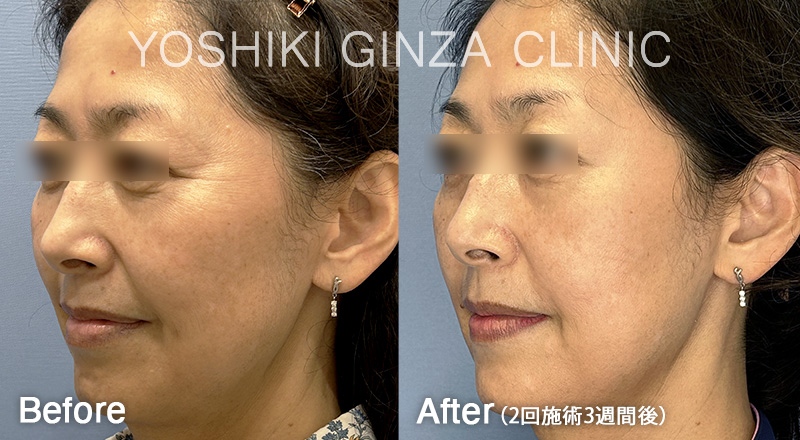
Nasolabial Folds (Smile Lines)
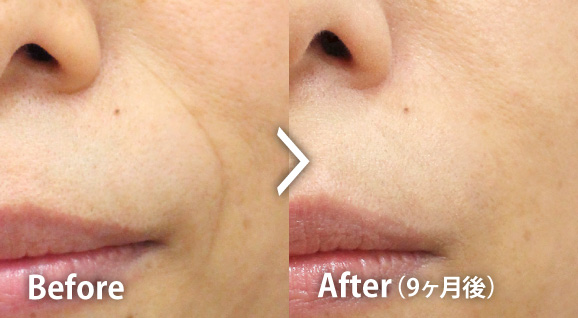
Nasolabial Folds (Smile Lines)
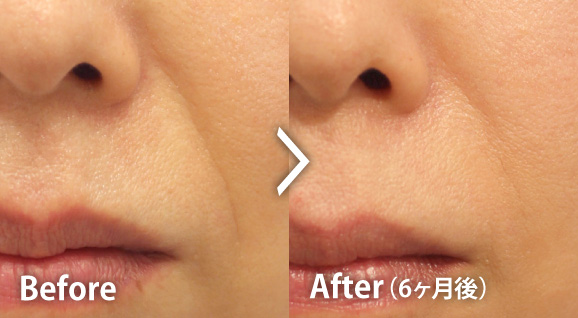
Nasolabial Folds (Smile Lines)
Under-Eye Dark Circles
Under-Eye Dark Circles
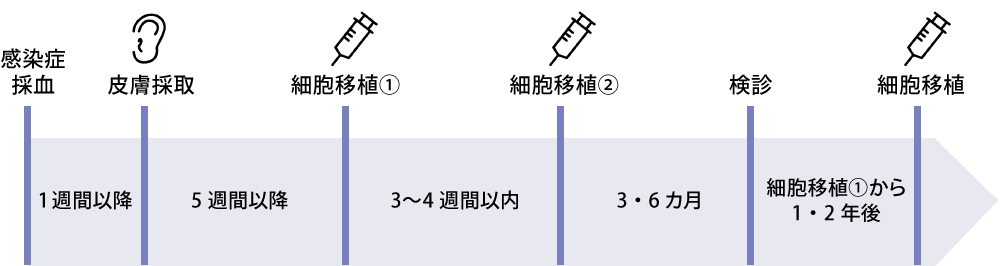
Treatment Process
-
- Medical Consultation & Doctor’s Examination
- During the consultation, we will listen carefully to your concerns and symptoms, and the attending physician will conduct a thorough diagnosis.
At the time of examination, we will provide detailed explanations regarding regenerative medicine, treatment procedures, and important precautions.
Please feel free to ask any questions or discuss any concerns you may have.

-
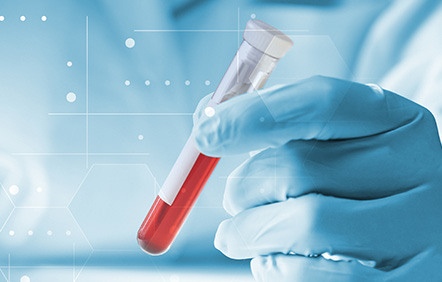
- Pre-treatment Blood Test (Infection Screening)
- A blood test will be performed to check for infectious diseases such as Hepatitis B, Hepatitis C, and HIV. Results are typically available in approximately 3 days.
Patients with no abnormal findings will be eligible for fibroblast cell therapy. A same-day result testing option is also available.
※Standard blood test (to be taken up to 3 days before skin biopsy): ¥11,000
※Same-day result blood test (no prior blood draw required): ¥66,000
-
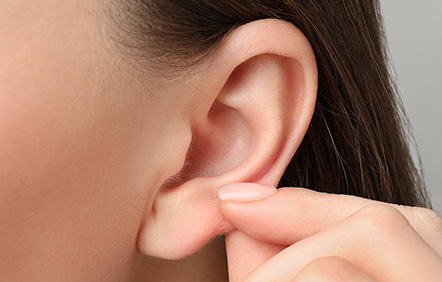
- Skin Biopsy & Blood Collection
- To culture the cells, a rice-grain-sized piece of skin is taken from behind the ear.
Local anesthesia is used, so there is no need to worry about pain.
In addition, a blood sample is collected for use in the cell culture process.
-
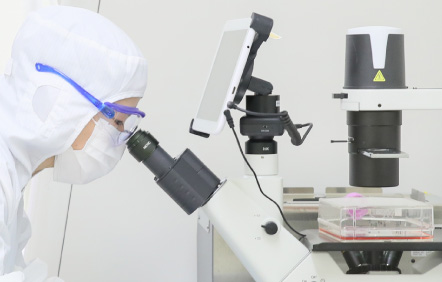
- Cell Culture
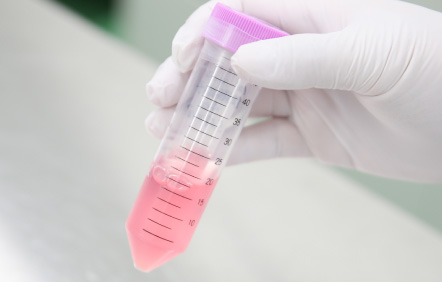
- Fibroblasts are isolated, cultured, and expanded at a certified cell culture facility commissioned by our clinic. (Approximately 5 weeks)
-
- Fibroblast Cell Transplantation
- Cultured dermal fibroblasts are transplanted into the targeted treatment areas.
The transplanted fibroblasts begin to help repair and regenerate aged skin tissue.
-
- Follow-up Examination
- A follow-up visit is scheduled several months after transplantation to assess your skin condition. Based on the results, we will discuss future treatment plans and optimal maintenance timing, providing ongoing aftercare support.
For patients who wish, cultured cells can be cryopreserved. These cells may be stored for future use and re-transplanted into the skin years or even over a decade later.

| Treatment Time | Skin biopsy: approx. 30 minutes (excluding consultation) Transplantation: approx. 60 minutes (including anesthesia) |
|---|---|
| Pain | Skin biopsy: minimal pain due to local anesthesia Transplantation: slight pinprick sensation from injections |
| Downtime | Swelling: approximately 1–2 days Bruising: approximately 3–5 days (can be covered with makeup) |
| Makeup | Allowed from the same day |
| Bathing | Permitted on the same day (however, prolonged bathing should be avoided) |
| Important Notes | ・If infectious diseases are detected in the blood test, treatment cannot be performed. ・The treatable area may be limited depending on the amount of cells injected. ・As cells are processed in preparation for the scheduled transplantation date, reservations must be made at least two weeks in advance. |
Frequently Asked Questions
- Is the treatment safe?
- Because the treatment uses your own blood and cells, the risk of allergic reactions or infection is extremely low.
- Who cannot receive the treatment?
- Patients undergoing treatment for acute infectious diseases or those receiving chemotherapy are not eligible. For patients with other underlying medical conditions, please consult with our clinic.
- Is there an age limit for effectiveness?
- There are no age restrictions. Patients of all age groups can experience benefits.
- What about swelling and downtime after treatment?
- Redness and swelling may appear after injection and typically last from the next day up to around 5 days (varies by individual).
In rare cases, minor bruising (within approximately 1 cm in size) may occur, which can take up to 2 weeks to fully resolve.。
- Can it be combined with other cosmetic treatments?
- Yes, combination treatments are possible. However, depending on the procedure, a certain interval may be required. Please consult with your doctor during examination.
- Will the results look unnatural in the treated area?
- Dermal fibroblast therapy does not involve artificial substances or drugs, but rather the transplantation of your own fibroblast cells.
Because only your own cells are used, any unnecessary cells are naturally regulated by the body, so concerns such as uneven or unnatural skin texture are minimal.
- Is dermal fibroblast therapy covered by insurance?
- No, this is an elective, non-insurance (self-pay) medical treatment.
- Can a child’s cells be used?
- Even from one’s own child, the cells are not identical to your own and may be recognized as foreign by the body after transplantation. Therefore, using non-self cells is not considered safe.
(However, cell-derived products such as stem cell conditioned media are not cells themselves and can be used even if derived from others.)
- Is it more effective than PRP therapy?
- PRP therapy utilizes growth factors released from platelets to promote skin regeneration and is relatively simple as it does not require cell culturing.
Fibroblast therapy, on the other hand, involves transplanting living skin cells that actively function in the skin, producing growth factors and collagen over time. Therefore, longer-lasting and more substantial effects can be expected.
- Is fibroblast cell transplantation safe? Are there risks such as cancer or future adverse effects?
- Fibroblast cell therapy is considered very safe. In our clinic, autologous serum (not animal-derived serum) is used in cell culture, making the treatment 100% autologous.
As a result, the possibility of future adverse effects is considered extremely low.
- Where are the cells stored?
- Cells are safely stored at the Cellbank Cell Culture Processing Facility (CPC), which is affiliated with Yoshiki Ginza Clinic.
Cellbank operates a large-scale CPC facility (298.82㎡) and is licensed under the Act on the Safety of Regenerative Medicine as a certified cell processing manufacturing facility (Facility No. FA3150017).
Private Space
Please relax in our spacious, comfortable environment.
Complimentary beverages are also available.
At Yoshiki Ginza Clinic, we offer a spacious Suite Lounge where you can unwind comfortably, as well as Suite Rooms where your entire visit—from treatment to payment—can be completed in complete privacy.
Wi-Fi is fully available, allowing you to receive treatment in a private, relaxed setting similar to being at home.
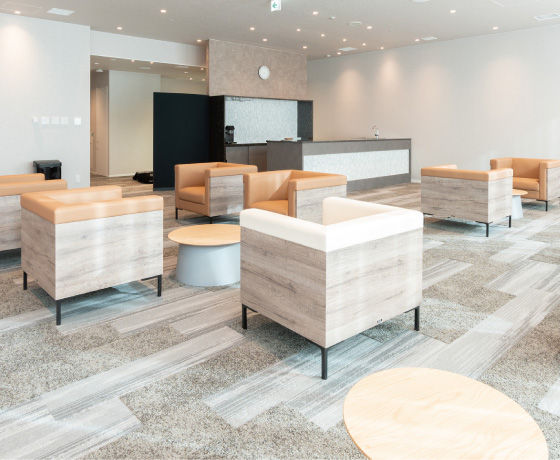
Suite Lounge
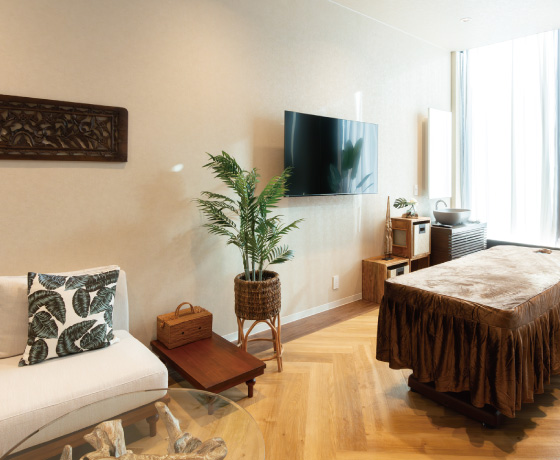
Suite Room
Please feel free to contact us for more information.


