


Repair of wrinkles, sagging skin, and uneven skin texture caused by aging
Platelet-Rich Plasma (PRP) therapy
A treatment in which growth factors necessary for skin regeneration are extracted from your own blood and injected into the skin
What is Platelet-Rich Plasma (PRP) Therapy
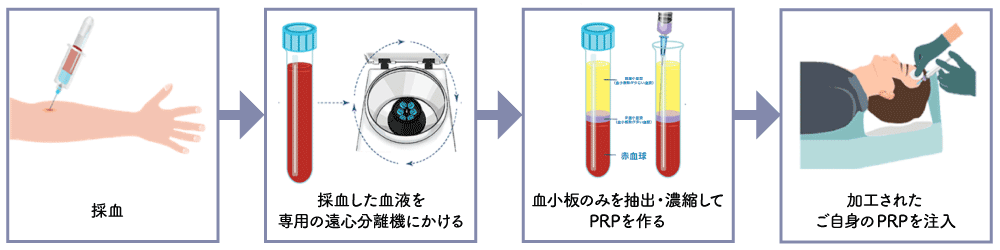
PRP therapy involves collecting your own blood to extract the growth factors necessary for skin regeneration, which are then injected into the skin.
This promotes regeneration from within, helping to repair wrinkles, sagging, and uneven skin texture caused by aging.
What is PRP?
PRP (Platelet-Rich Plasma) is a concentrated preparation of platelets extracted from your own blood.
PRP contains proteins called growth factors, which are released into the skin upon injection.
These growth factors help repair skin tissue from within, gradually restoring the skin to a healthier state over time.
PRP therapy has been performed in Japan since around the 2000s for two main purposes:
・Medical purposes: Treatment of injuries or diseases
・Cosmetic purposes: Improving skin texture and achieving healthier, more radiant skin
At our clinic, PRP is used for cosmetic purposes, tailored to each patient’s concerns.
Results gradually appear over a period of 2 weeks to 2 months.
Effects of Platelet-Rich Plasma (PRP) Therapy
Four Key Reasons PRP is Chosen
- ①Tissue Regeneration and Skin Activation via Growth Factors
Growth factors in PRP stimulate skin cells, promoting the production of collagen, elastin, and other components essential for healthy skin. This activates and revitalizes the skin.
Compared to cosmetic ingredients like hyaluronic acid, PRP has stronger regenerative power, providing both visible and long-lasting effects.At our clinic, we use a proprietary processing method to extract high concentrations of platelet-derived growth factors.
PRP is recommended for patients whose concerns were not resolved by other treatments or who did not experience satisfactory results.
- ②Personalized, Planned Treatment
The processed growth factors have a long shelf life (approximately 6 months), allowing for planned, multiple injections.
Treatment is tailored and administered in consultation with a doctor, making it a fully personalized therapy from blood collection to injection.
- ③Low Risk as It’s Derived from Your Own Blood
Since PRP uses your own blood, the risk of allergies or infections is minimal, making it a low-burden treatment.
All processing is performed under sterile conditions by trained staff, ensuring consistent quality and safety.
- ④More Natural Results Compared to Other Injectables
PRP provides more natural results than other injectable treatments.
Unlike hyaluronic acid, which fills the grooves of wrinkles, PRP regenerates and repairs the skin tissue itself.
This restores the skin’s natural firmness and elasticity, offering a result that looks and feels more natural than conventional injectables.
Injection Areas
Effective Sites
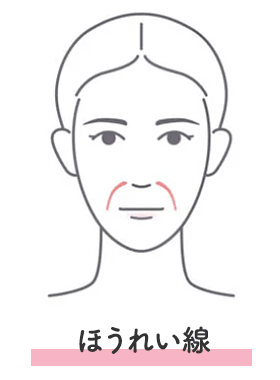
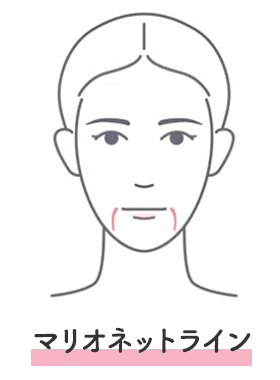
Nasolabial Folds & Marionette Lines
Nasolabial folds and marionette lines are sagging areas that can make the face appear older.
PRP therapy helps reduce deep, etched wrinkles and restores fullness to the cheeks and around the mouth.
It is particularly effective for fine lines that form alongside these folds—lines that are often difficult to improve with hyaluronic acid injections.
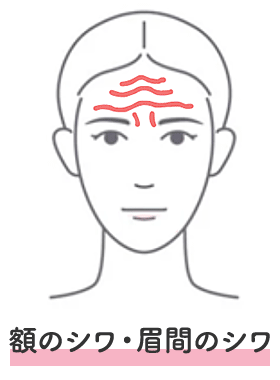
Forehead Wrinkles & Glabellar Lines (Between the Eyebrows)
Horizontal lines on the forehead and vertical lines between the eyebrows, often called expression lines, typically form due to repeated muscle movements during facial expressions.
While Botox relaxes the underlying muscles, it can sometimes make the eyes appear heavier due to muscle relaxation.
PRP therapy, on the other hand, stimulates the production of collagen and hyaluronic acid within the skin itself, allowing for targeted wrinkle improvement without affecting muscle movement.
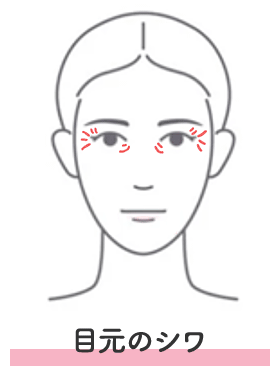
Wrinkles Around the Eyes
PRP therapy can be applied to the delicate skin around the eyes, including crow’s feet that appear when smiling, inner corner wrinkles that form when squinting, and fine “crepey” wrinkles that accumulate with age.
It adds firmness to deep-set wrinkles that are often difficult to improve with Botox injections.
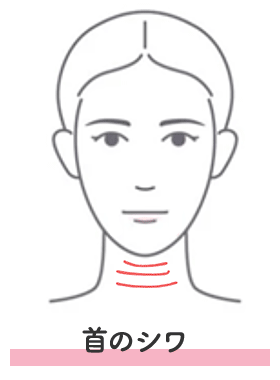
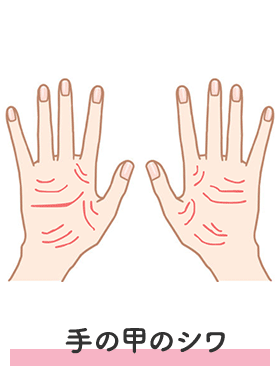
Wrinkles on the Neck and Back of the Hands
Wrinkles in areas like the neck and the back of the hands are difficult to conceal with makeup or daily care, and their visibility can make a person appear older.
The hands, in particular, are exposed to frequent use, UV rays, and friction, and are often neglected in skincare routines. As a result, not only wrinkles but also spots and dullness can appear.
PRP therapy not only improves wrinkles but also enhances overall skin quality, addressing pigmentation and dullness for a rejuvenated appearance.
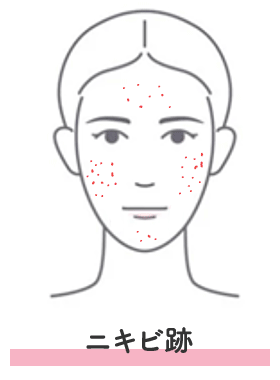
Acne Scars
There are various types of acne scars, including those with noticeable pigmentation or redness, uneven skin texture, and crater-like scars.
While skincare products or topical treatments can help, they are often insufficient for cratered scars caused by tissue damage from inflammation.
PRP therapy promotes the regeneration of new skin tissue, gradually improving skin texture, reducing redness and pigmentation, and restoring a smooth, even complexion.
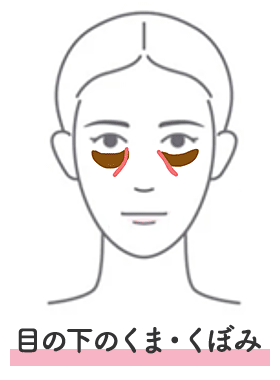
Under-Eye Dark Circles and Hollows
There are several types of under-eye dark circles:
Brown Circles: Caused by melanin deposition and thickened skin, often from rubbing the eyes or prolonged heavy makeup.
Red Circles: Caused by visibility of the orbicularis oculi muscle due to thin skin.
Blue Circles: Caused by visible capillaries due to poor blood circulation, often from cold sensitivity, lack of sleep, or eye strain from desk work.
Black Circles: Caused by shadows from sagging under-eye skin, giving a dark appearance.PRP therapy can improve all of these types.
It is also effective for “Golgo lines”, which are depressions or hollows under the eyes. PRP restores volume, making the under-eye area appear fuller and reducing the visibility of dark circles and Golgo lines.What are Golgo Lines?
Lines that run diagonally from the inner corner of the eye down to the cheek, often caused by loss of fat or muscle under the eyes.
Downtime for PRP Therapy
Since PRP therapy is a non-surgical procedure, downtime is relatively short.
Most symptoms that may occur during this period are mild, allowing for easy and convenient treatment.
- Swelling and Redness: May last from a few days up to a couple of weeks.
First-time PRP patients, areas with thin skin, or bony regions may experience more noticeable symptoms.
These can usually be concealed with foundation or concealer.
- Pain: Mild discomfort may be felt for several days.
Pain typically subsides over time. If strong pain occurs, apply cold compresses to the treated area.
Seek prompt medical attention if the pain is unbearable.
- Bruising: May appear for a few weeks after treatment.
Similar to redness and swelling, bruising can usually be covered with makeup.
If bruising does not improve over time, consult your doctor.
Precautions for PRP Therapy
- ①Individuals Who May Not Be Eligible for PRP Therapy
Although PRP therapy has no age restrictions and is generally accessible, certain conditions may prevent treatment.
Please consult your doctor before undergoing the procedure if any of the following apply:・Fever or illness
・Pregnancy
・Received PRP therapy within the past month
・Heart, liver, or kidney disease or other serious complications
・Active inflammatory conditions such as rheumatoid arthritis or collagen diseases
・Current infection
・Undergoing cancer treatment
・History of drug hypersensitivity
・Currently taking anticoagulant medication
- ②Before Blood Collection and After Treatment
Pre-Treatment: No specific dietary restrictions.
It is recommended to increase water intake in the 24 hours before blood collection and injection to prevent feeling unwell.Post-Treatment Care: Keep the injection sites clean. Avoid the following on the day of treatment:
・Long baths or hot tubs
・Intense exercise or training
・Excessive alcohol consumption
These activities will not reduce the effectiveness of the treatment but may prolong downtime.
PRP Therapy – Consultation and Treatment Flow
-
01 Doctor’s Consultation
During the consultation, the doctor will identify the areas of concern and desired improvements.
Details about PRP therapy, the treatment process, and important precautions will be explained.
Patients are also informed that processing the PRP takes approximately 3 weeks.
-
02 Blood Collection
After signing the PRP consent form, blood is drawn:
4 tubes (40 mL) for PRP processing
1 tube (9 mL) for infection testing
Total: 5 tubes / 49 mL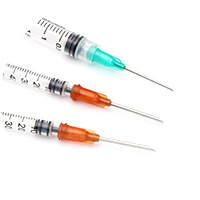
-
03 Processing (Approx. 3–4 Weeks)
Infection and sterility tests are conducted.
Once results are confirmed negative, the blood is processed using a specialized centrifuge to extract and concentrate the platelets, creating the PRP.
Infection tests include: HIV, HBV, HCV, syphilis, HTLV-1.
If any test is positive, PRP processing cannot proceed. Only the blood test fee of ¥10,000 is charged.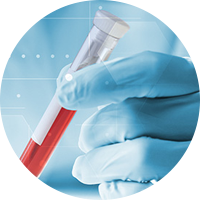
-
04 Injection
The processed PRP is injected into the targeted areas.
PRP has a shelf life of approximately 6 months, allowing multiple sessions or injections in different areas.
Each injection session takes about 30 minutes to 1 hour.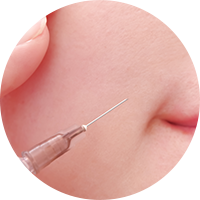
PRP Therapy – Pricing
| PRP Processing Fee (First-Time Only) | ¥300,000 (¥330,000 tax included) |
|
|---|---|---|
| Injection: | 1cc | ¥20,000 (¥22,000 tax included) |
| 2cc | ¥35,000 (¥38,500 tax included) |
|
- ※Injection volume may vary depending on the individual and treatment area.
- ※The listed prices apply to patients who can communicate smoothly in Japanese.


